
Blogs
The Psychology of Picky Eaters: Strategies for Encouraging Diverse Food Choices
[DISPLAY_ULTIMATE_SOCIAL_ICONS]

Picky eating, characterized by selective food preferences and aversions, is a common behavior, particularly among children. Understanding the psychology behind picky eating can help caregivers and parents develop effective strategies for encouraging diverse food choices and promoting healthy eating habits.
The Nature of Picky Eating
- Definition and Prevalence
Picky eating refers to the selective consumption of food, often driven by preferences for certain tastes, textures, colors, or smells. While picky eating is prevalent among children, it can also persist into adulthood and manifest in various forms, ranging from mild to severe.
- Causes and Contributing Factors
Several factors contribute to picky eating behavior, including genetics, sensory sensitivities, environmental influences, and psychological factors such as anxiety or control issues. Additionally, past negative experiences with certain foods or mealtime pressures can further exacerbate picky eating tendencies.
Understanding the Psychology
- Control and Autonomy
For many picky eaters, food preferences serve as a means of exerting control and asserting independence. By choosing what to eat and what to avoid, picky eaters may feel a sense of autonomy over their food choices, especially in situations where they perceive limited control over other aspects of their lives.
- Sensory Sensitivities
Sensory processing differences can also contribute to picky eating behaviors. Some individuals may have heightened sensitivity to certain tastes, textures, or smells, leading them to avoid foods that trigger aversive sensory experiences. Understanding and accommodating these sensory sensitivities is crucial for addressing picky eating effectively.
Strategies for Encouraging Diverse Food Choices
- Create a Positive Mealtime Environment
Establishing a positive mealtime environment is essential for encouraging picky eaters to explore new foods. Avoid pressuring or coercing them to eat, as this can lead to increased resistance and anxiety. Instead, foster a relaxed atmosphere where meals are seen as enjoyable and social experiences.
- Offer Variety and Exposure
Introduce a wide variety of foods regularly, including fruits, vegetables, whole grains, proteins, and dairy products. Encourage exploration and experimentation by offering new foods alongside familiar favorites and allowing picky eaters to choose which foods to try.
- Model Healthy Eating Behaviors
Lead by example by modeling healthy eating behaviors yourself. Demonstrate enjoyment of a diverse range of foods and avoid making negative comments about certain foods in front of picky eaters. Children are more likely to emulate the eating behaviors of adults in their lives, so be mindful of the messages you convey.
Involve Children in Food Preparation
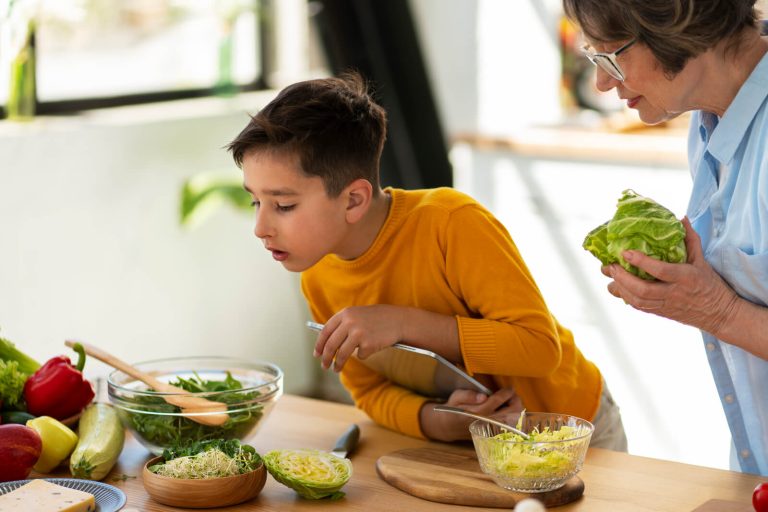
Engage picky eaters in the food preparation process to increase their investment and interest in trying new foods. Allow them to participate in meal planning, grocery shopping, and meal preparation activities, such as chopping vegetables or assembling ingredients. This hands-on involvement can foster a sense of ownership and curiosity about food.
In conclusion, picky eating is a complex behavior influenced by various psychological, sensory, and environmental factors. By understanding the underlying psychology of picky eating and implementing strategies to encourage diverse food choices, caregivers and parents can support picky eaters in developing healthier eating habits and attitudes towards food. With patience, consistency, and a positive mealtime environment, picky eaters can gradually expand their culinary preferences and enjoy a more varied and nutritious diet.
Unlocking Potential: The Importance of Breakfast for Enhanced Learning and Performance in Schools
Blogs Unlocking Potential: The Importance of Breakfast for Enhanced Learning…
Latest News
-

Exciting News: Get Your School in the Game with Food For Good's Giveaway!
31 Jan 2024
-

Food For Good Continues to Grow Beyond Borders Through McHugh Public School
10 Jan 2024
-

Food For Good Presents Vision for a Healthier Ontario to Mississauga City Council
10 Jan 2024
-
Kate Durdan and Heximer Seals 2nd Year with Food For Good
08 Jan 2024
-

Food For Good Embarks on New Horizons: Expanding Beyond Niagara Region
08 Jan 2024
-

Wokbox and Food For Good: Nourishing Young Minds Together
09 Sep 2023
-
Partnering for a Purpose: Twice the Deal and the Food For Good School Lunch Program
09 Sep 2023
-
Partnering for a Brighter Future: Double Deals and the Food For Good School Lunch Program
09 Sep 2023
-

imPerfect Fresh Eats and Food for Good Program Join Forces to Transform School Lunch Programs
09 Sep 2023
-
Halibut House Partnering with Food For Good: Nourishing Future Generations
09 Sep 2023
Recent Post
-

Unlocking Potential: The Importance of Breakfast for Enhanced Learning and Performance in Schools
12 Apr 2024
-

Addressing Food Deserts: Providing Access to Healthy Meals in Underserved Areas
12 Apr 2024
-

Unlocking the Potential: Leveraging Community Partnerships for School Nutrition Enhancement
11 Apr 2024
-

Empowering Change: The Role of Parental Involvement in Shaping Healthy School Lunch Policies
11 Apr 2024
-

Healthy Snack Alternatives: Encouraging Nutritious Choices Beyond Lunchtime
06 Apr 2024
-

The Role of Technology in School Lunch Programs: Streamlining Ordering and Delivery
06 Apr 2024
-

Healthy School Lunches: Promoting Nutrition in Early Childhood Education Settings
06 Apr 2024
-

School Lunches: Creating a Welcoming and Inclusive Cafeteria Culture
19 Mar 2024
-
Culinary Education in Schools: Teaching Life Skills Through Cooking and Nutrition
15 Mar 2024
-

Ensuring Food Safety in Schools: Best Practices for Meal Hygiene and Quality
15 Mar 2024